Too much manual work
Retail teams still spend significant time on repetitive, rule-based processes across finance, operations, supply chain and customer service.
Your retail business is already automated. AutomationCOE makes it intelligent — ARIA builds and scales the automation, AURA keeps it alive in production, and one platform reports on both.
Six patterns that show up in nearly every retail automation estate we are asked to look at.

Retail teams still spend significant time on repetitive, rule-based processes across finance, operations, supply chain and customer service.
A failed bot interrupts downstream processes and creates operational delays that reach the business before they reach IT.
ERP, CRM, POS, inventory and warehouse applications create automation dependencies nobody has mapped.
IT teams often discover automation failures only after business users are already affected.

Adding bots without centralised governance and monitoring increases operational complexity rather than reducing it.
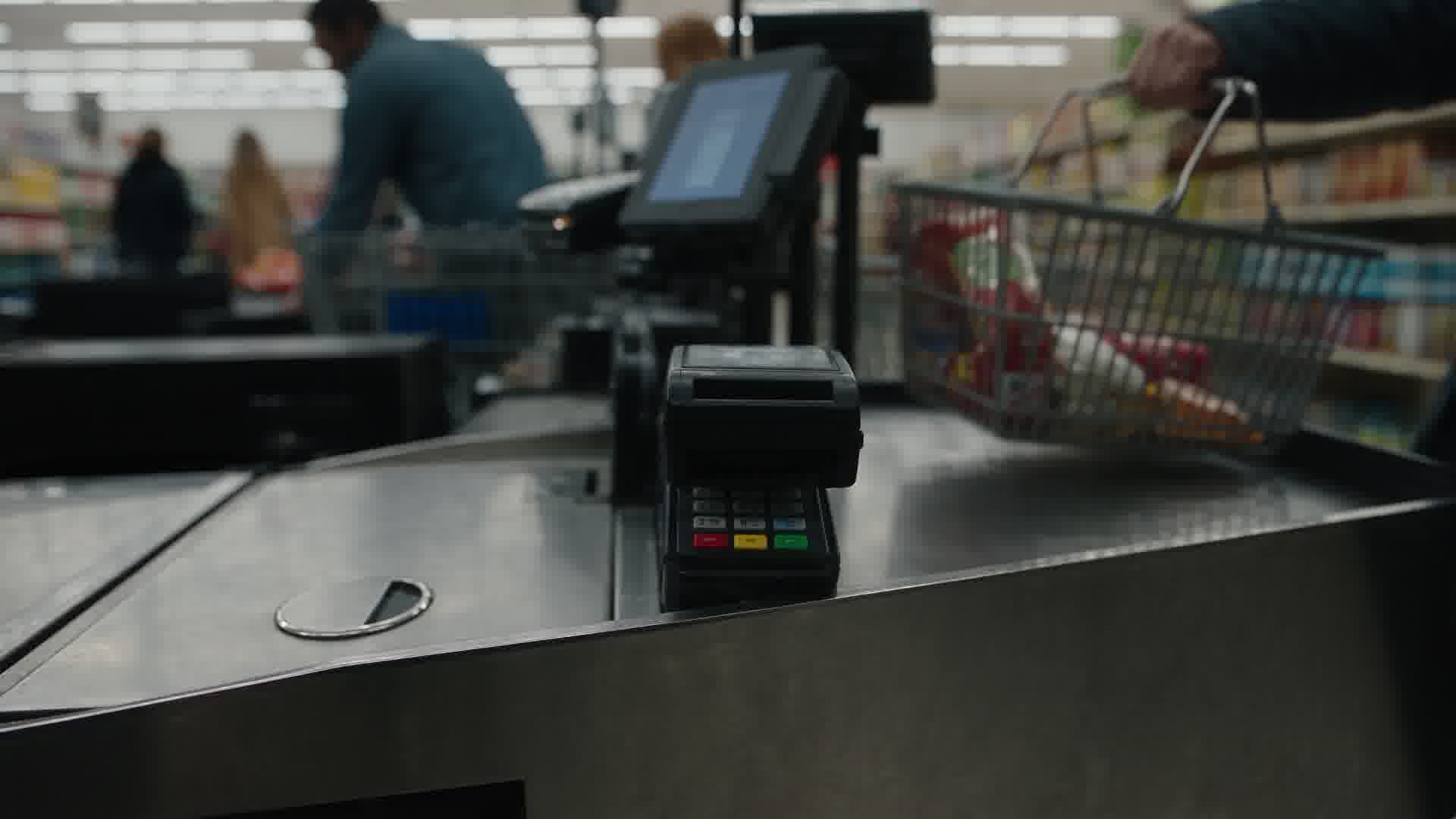
Automation downtime affects order processing, inventory operations, customer experience and revenue.
Building automation and keeping it running are different problems. Most vendors solve the first and leave you to discover the second in production.

AI-powered automation across the retail workflows where volume is high and rules are stable.

Continuous visibility across every dependency your automation actually relies on.
High-volume, rule-based retail processes where the rules are stable enough to automate and the volume is high enough to matter.
Order validation, processing, exception handling and system updates.
Invoice processing, validation, matching, approvals and exceptions.
Automated data updates and reconciliation across inventory workflows.
Repetitive service workflows accelerated, response times improved.
Return validation, refund workflows, approvals and system updates.
Repetitive processes connected across systems and teams.
Store-level processes, reporting and data entry automated.
Reconciliation, reporting and invoice processing streamlined.
| Traditional approach | With AutomationCOE |
|---|---|
| Manual monitoring | Intelligent monitoring |
| Reactive incident management | Proactive risk detection |
| Fragmented visibility | Centralised automation visibility |
| Long troubleshooting cycles | Faster root-cause analysis |
| Manual exception handling | Intelligent recommendations |
| Difficult to scale | Designed for enterprise scale |
Figures reflect platform-wide performance across AutomationCOE deployments, not retail-specific customer results. What your estate returns depends on process complexity, data quality and integration scope — measured against a baseline captured before go-live.
AutomationCOE sits across POS, ERP, WMS, commerce and finance systems — automating what moves between them, monitoring what connects them.
Lower operating cost as repetitive work moves off people, faster cycle times across order, invoice and returns processing, fewer errors in data moving between POS, ERP and inventory systems, and higher automation uptime because failures are detected before they reach the business.
Two places. ARIA removes manual effort in high-volume, rule-based processes, so the same team handles higher volume. AURA reduces the hidden cost of automation itself — the engineering hours spent diagnosing failed bots, and the rework that follows an unnoticed outage.
In most retail environments a failed bot is discovered by the business, not IT — after orders stop flowing or a nightly reconciliation does not run. AURA provides continuous visibility across bots, applications, APIs and dependencies, so incidents are detected and traced to a root cause earlier.
Usually finance and order operations, where volumes are high and rules are stable. Supply chain, inventory and customer service follow as integrations widen. IT sees it differently: less time firefighting automation incidents, more time on new use cases.
Against a baseline captured before deployment: hours returned per process, straight-through processing rate, exception and error volume, average cycle time, automation uptime, and mean time to resolve incidents. Centralised visibility means these are reported continuously rather than reconstructed at review time.
No. AutomationCOE sits across the systems you already run — POS, ERP, WMS, commerce platforms and finance tools — automating the work that moves between them and monitoring the dependencies that connect them.
Thirty minutes, walked through your retail use cases. You leave with a scoped view of which processes are worth automating first.